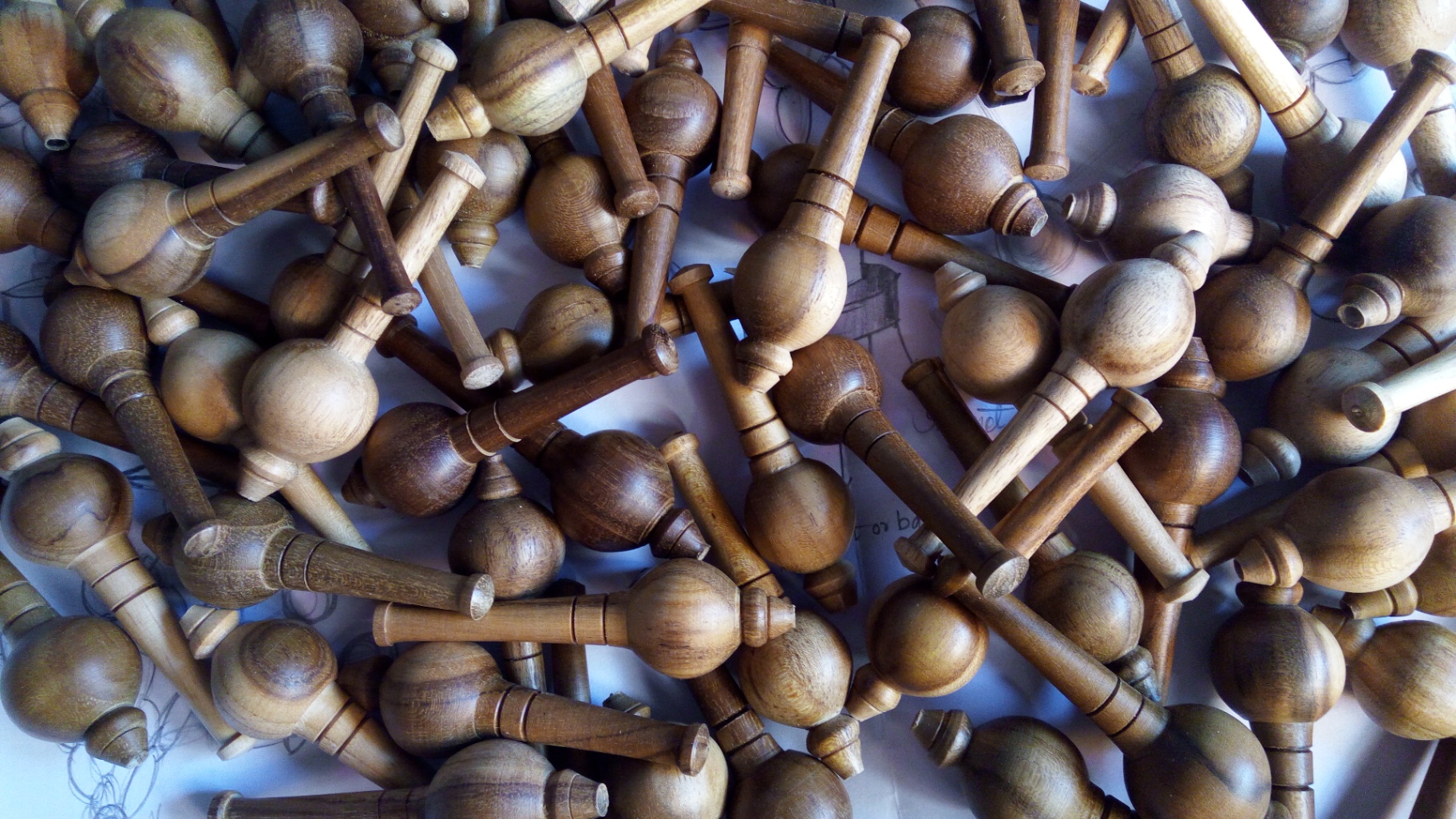
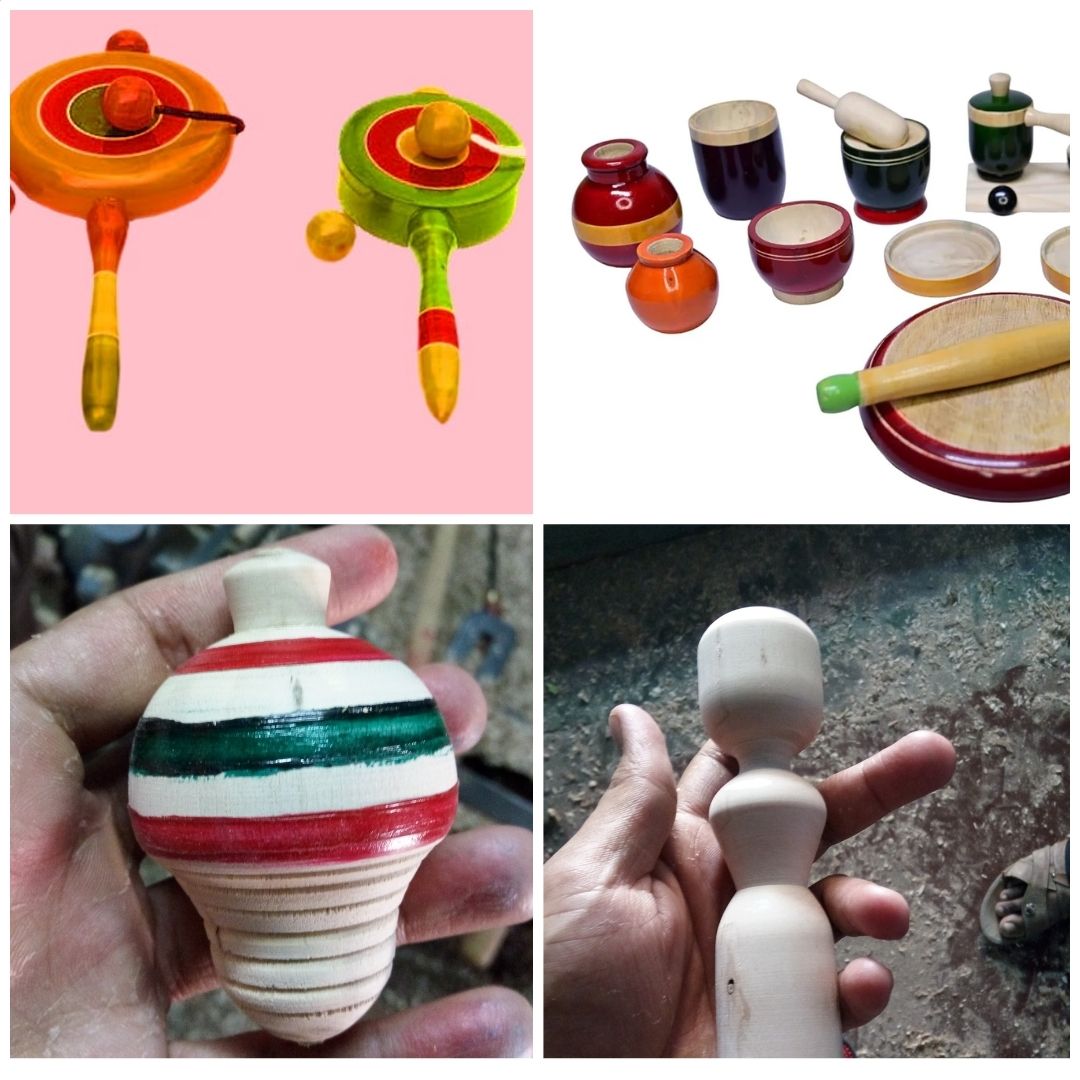
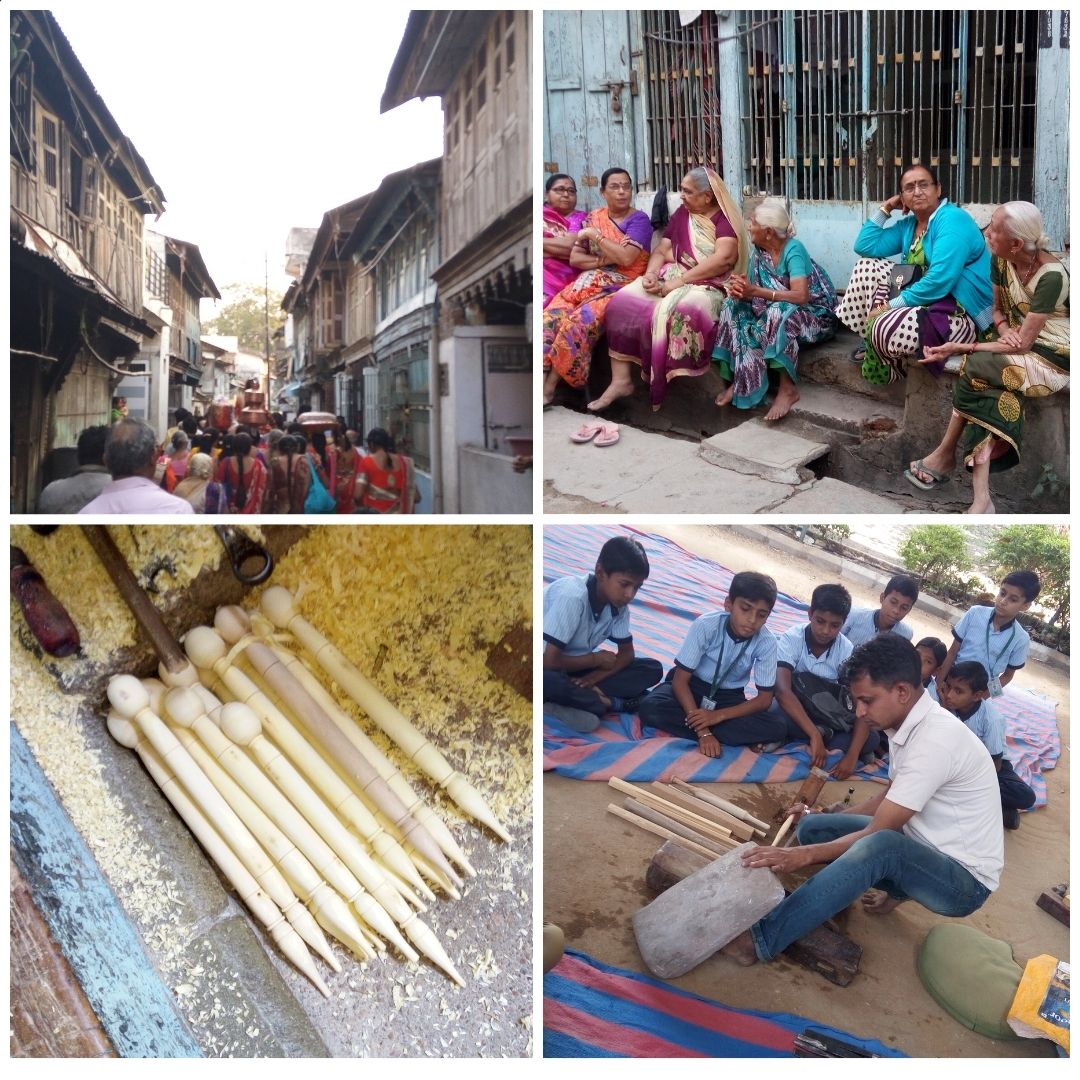
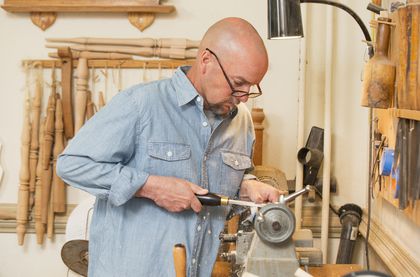
Handcrafted wooden artisan pieces
Case Study · CraftTech · 2020

Every Craft Tells a Story. Not Every Story Survives.

CraftWitty reconnects artisans with people, opportunities, and culture through a digital ecosystem — connecting hands, hearts, and heritage.

Explore the Story
Role · UI/UX Designer
Scroll
01 · My Story

Why I started this project.

A field trip during my time at NID turned into a five-year question: why are the hands that built our culture disappearing — and what would it take to bring them back into view?

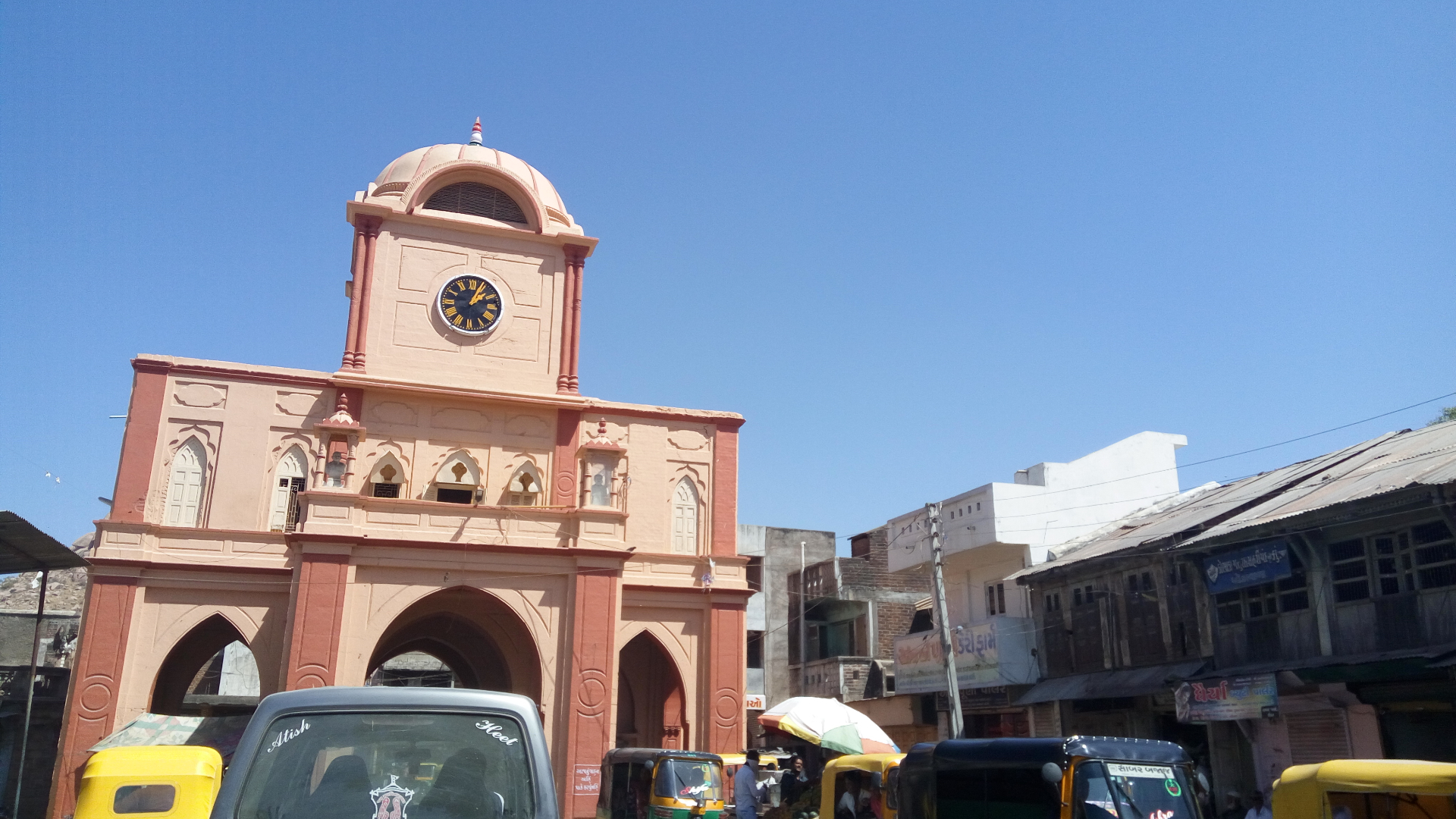
Me visiting Idar, Gujarat
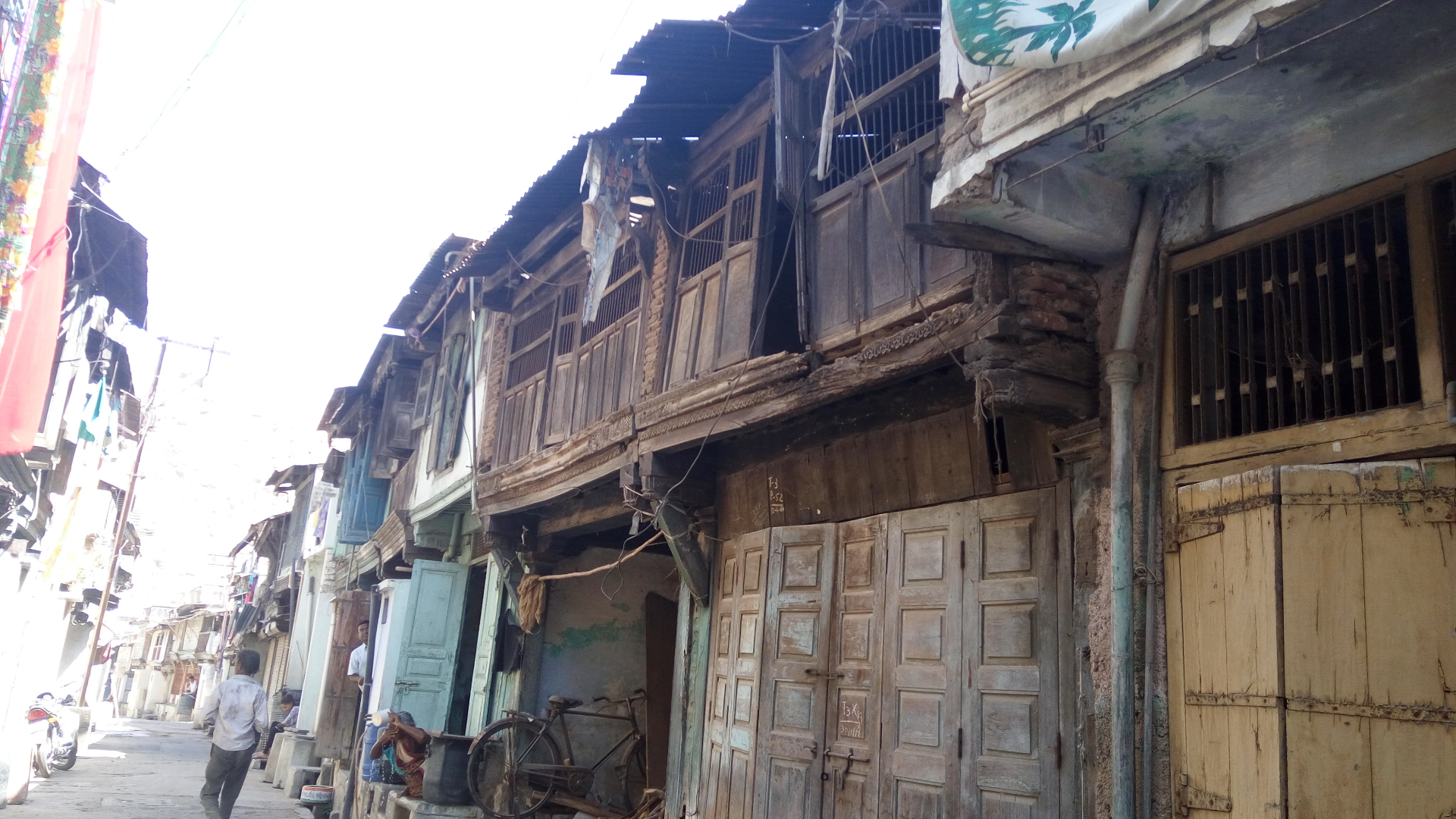
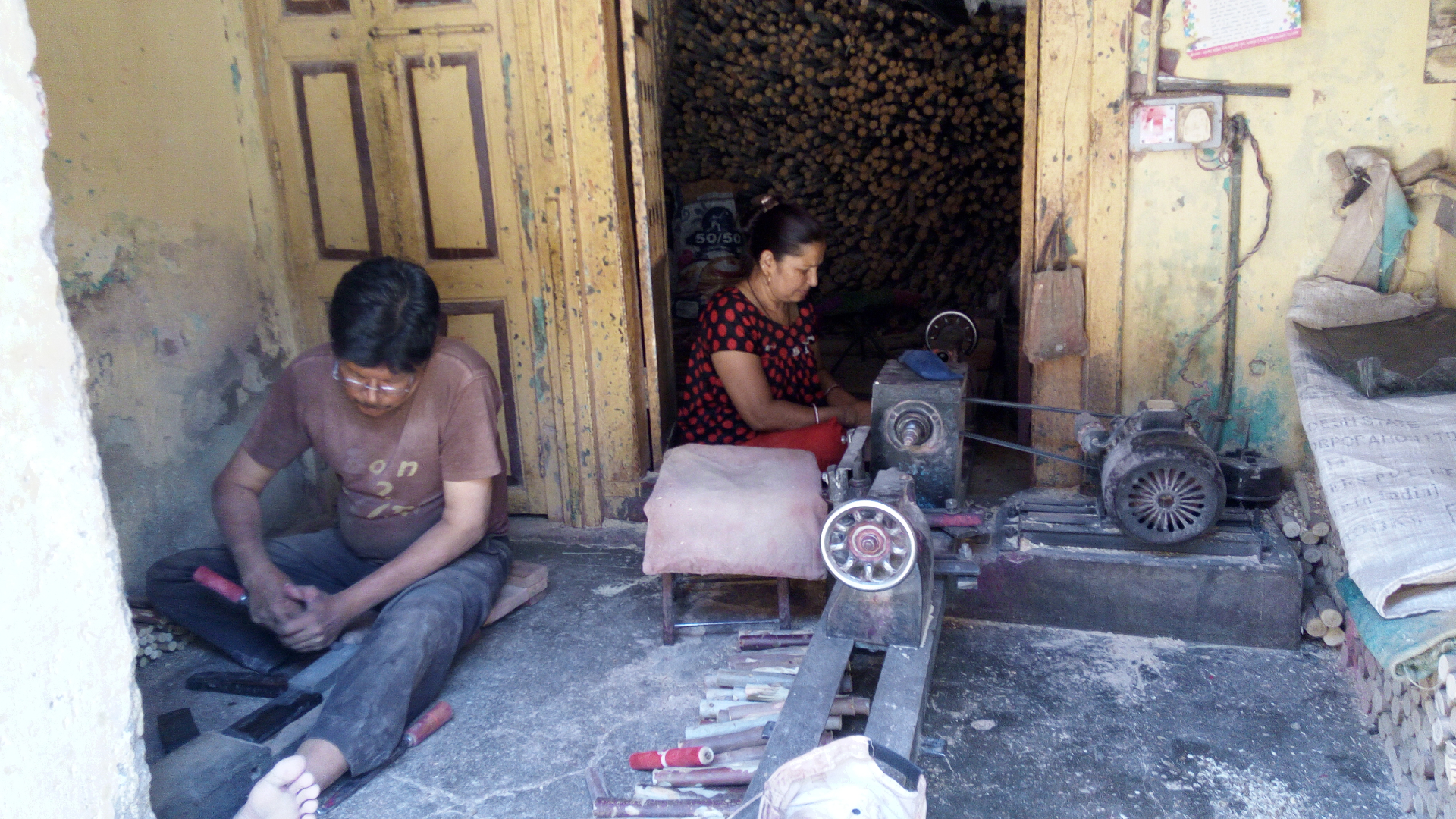
Walking through artisan streets — crafts of Idar
Empty craft houses
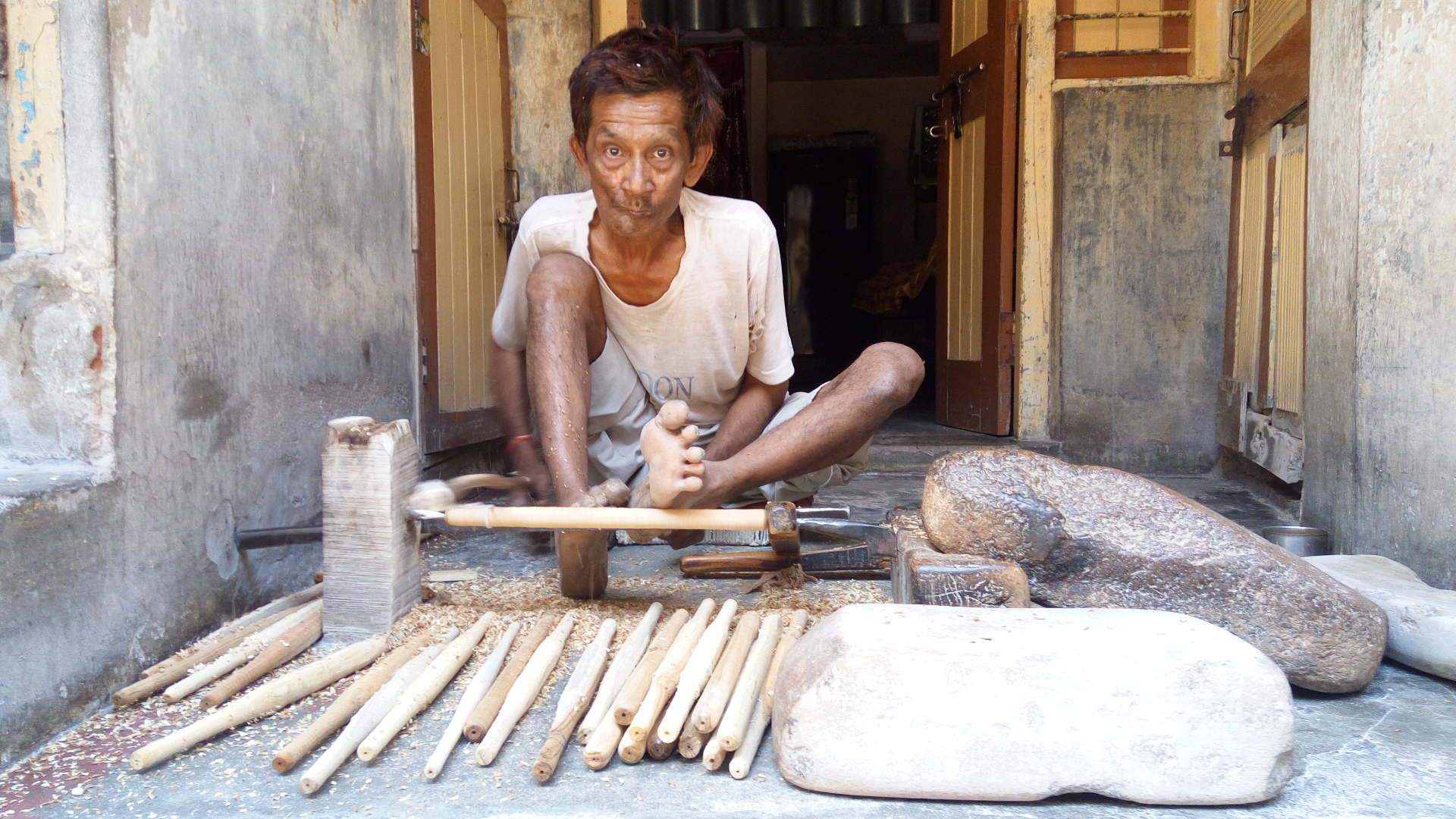
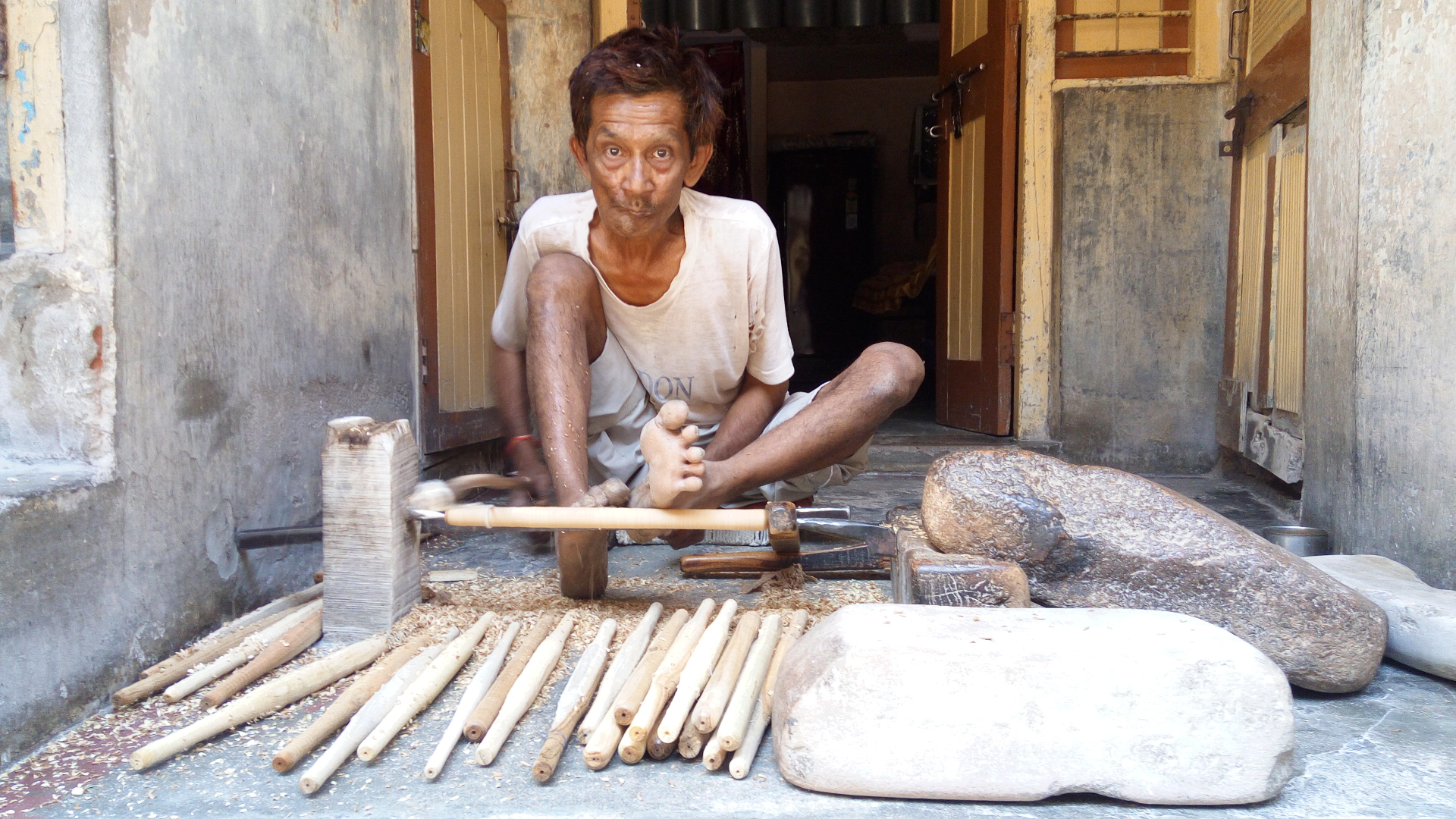
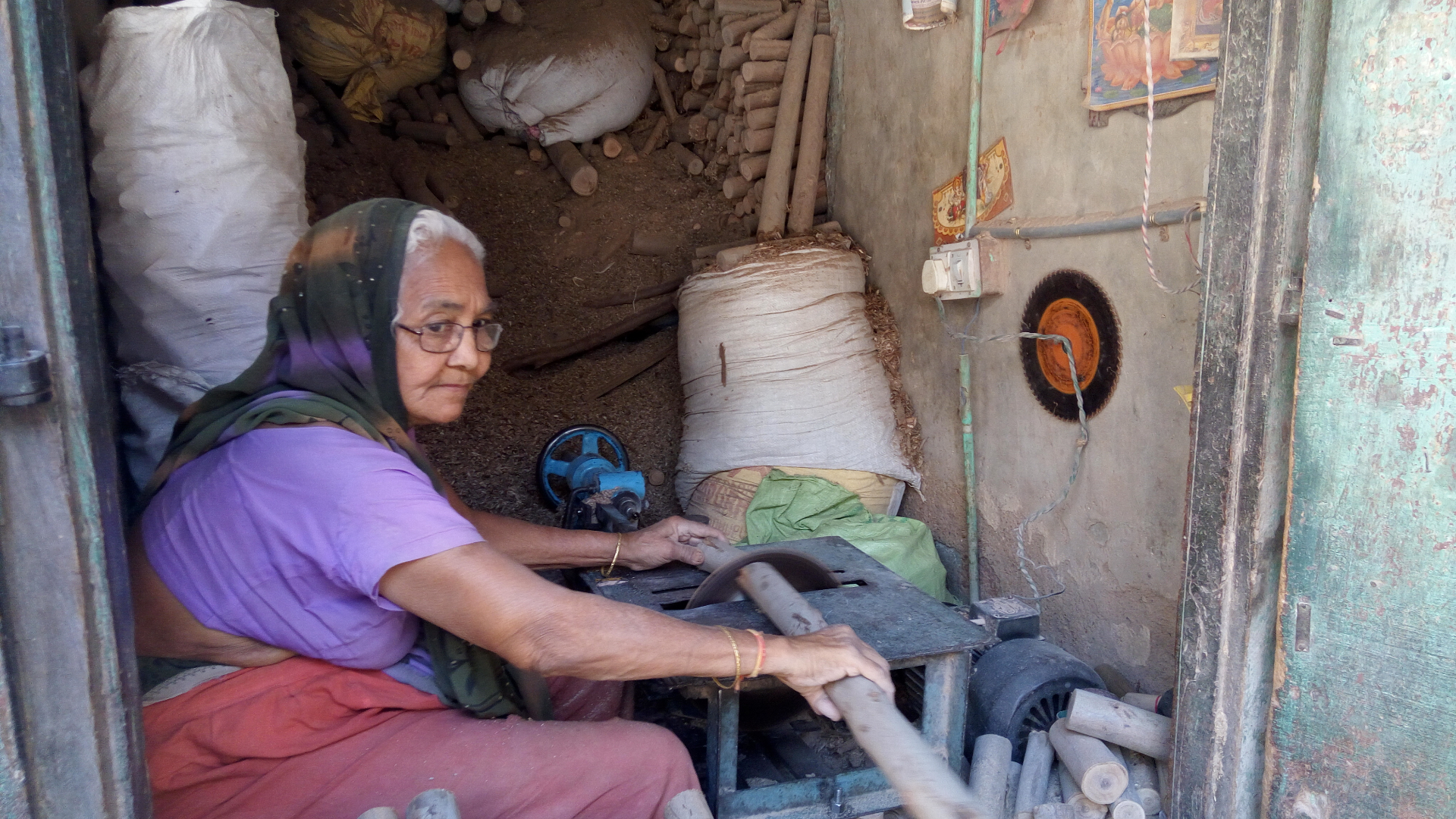
Artisan portrait
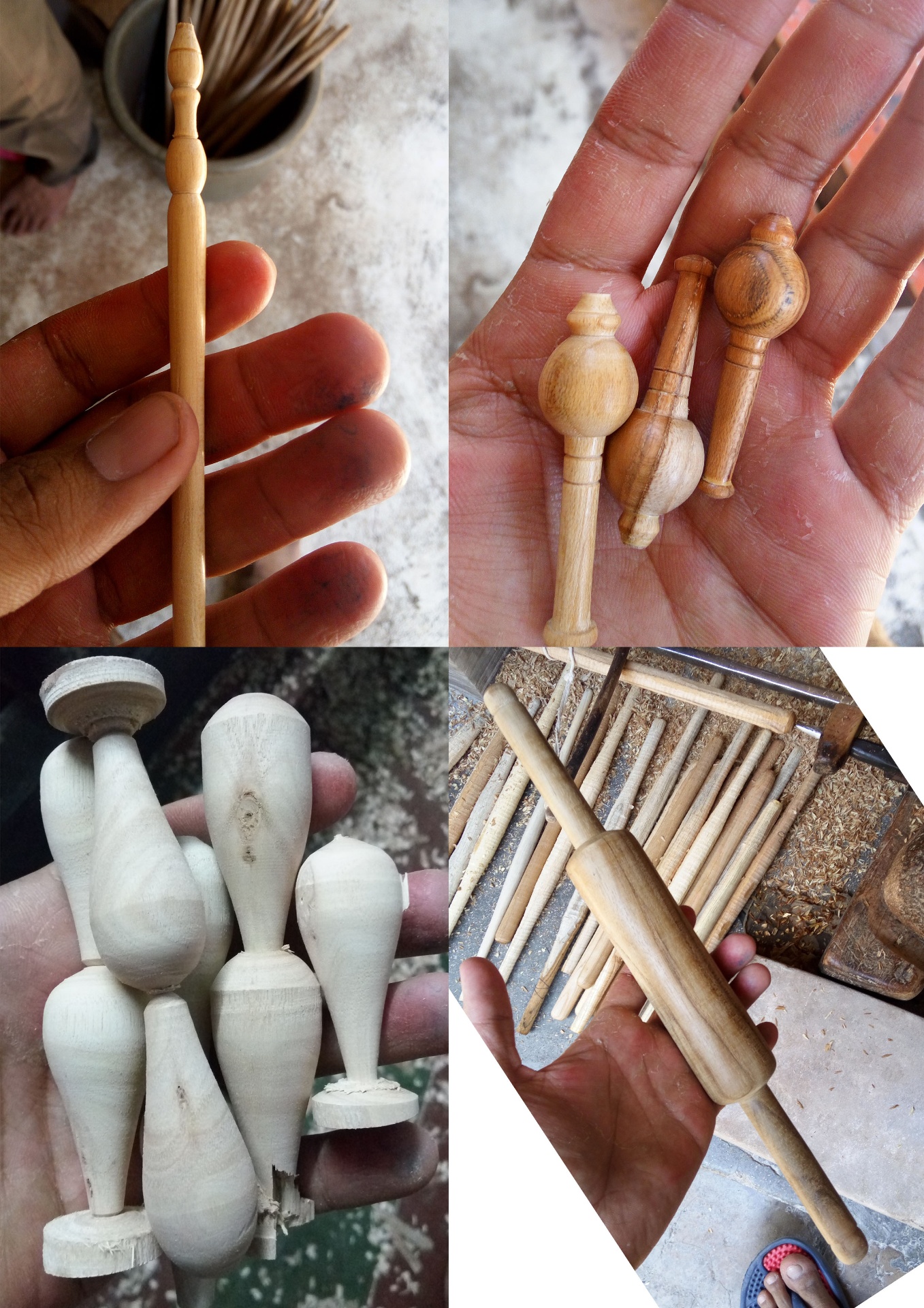
Traditional wooden toys

The Journey to CraftWitty

  1. Step 01

    NID

  2. Step 02

    Craft Doc..

  3. Step 03

    Meeting Artisans

  4. Step 04

    Observation

  5. Step 05

    CraftWitty Idea

02 · The Problem

An economy of hands at the edge of forgetting.

India has one of the largest artisan populations in the world — yet most of them are invisible in the digital economy that now shapes demand, price, and culture.

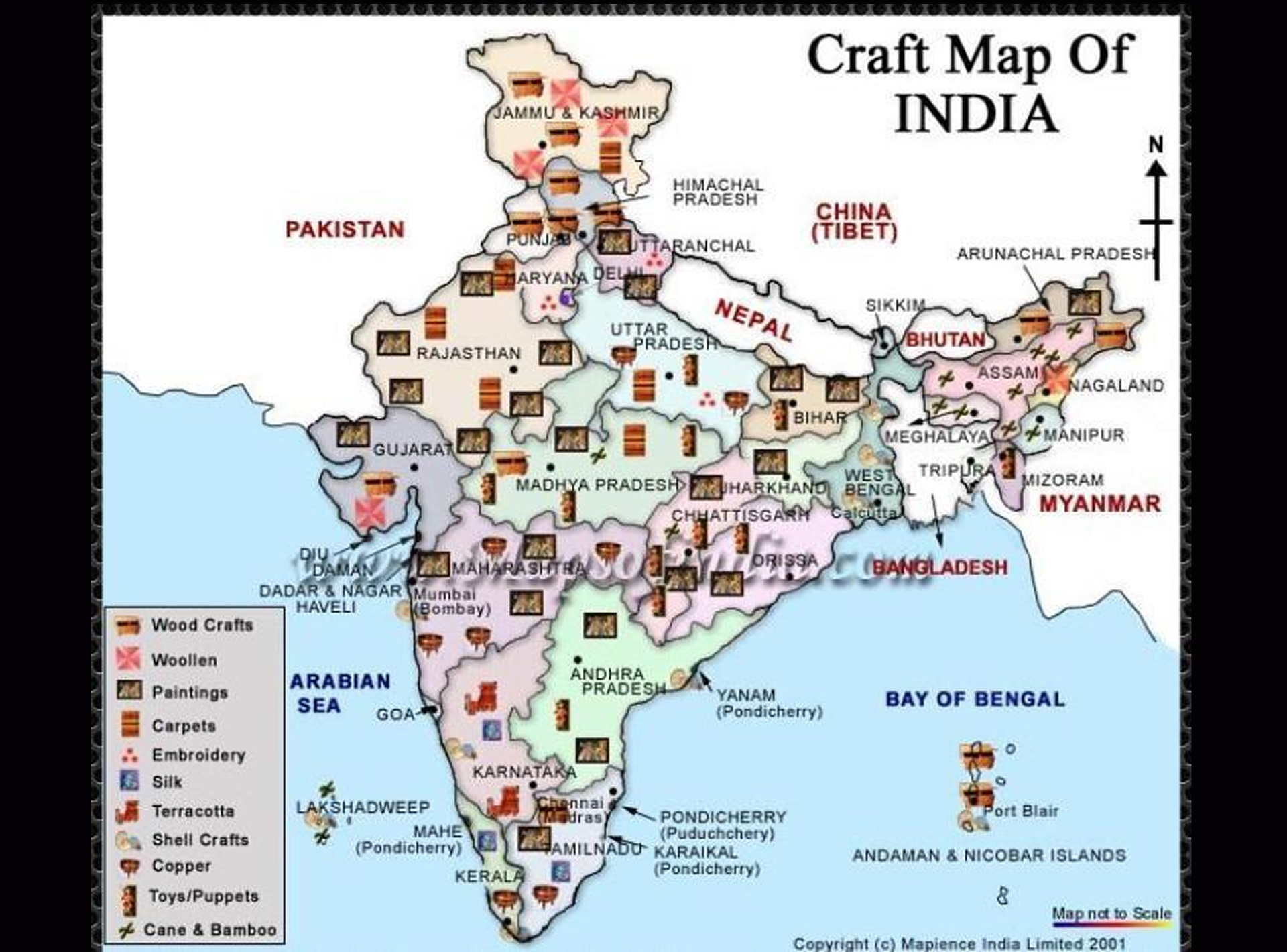
India craft cluster map
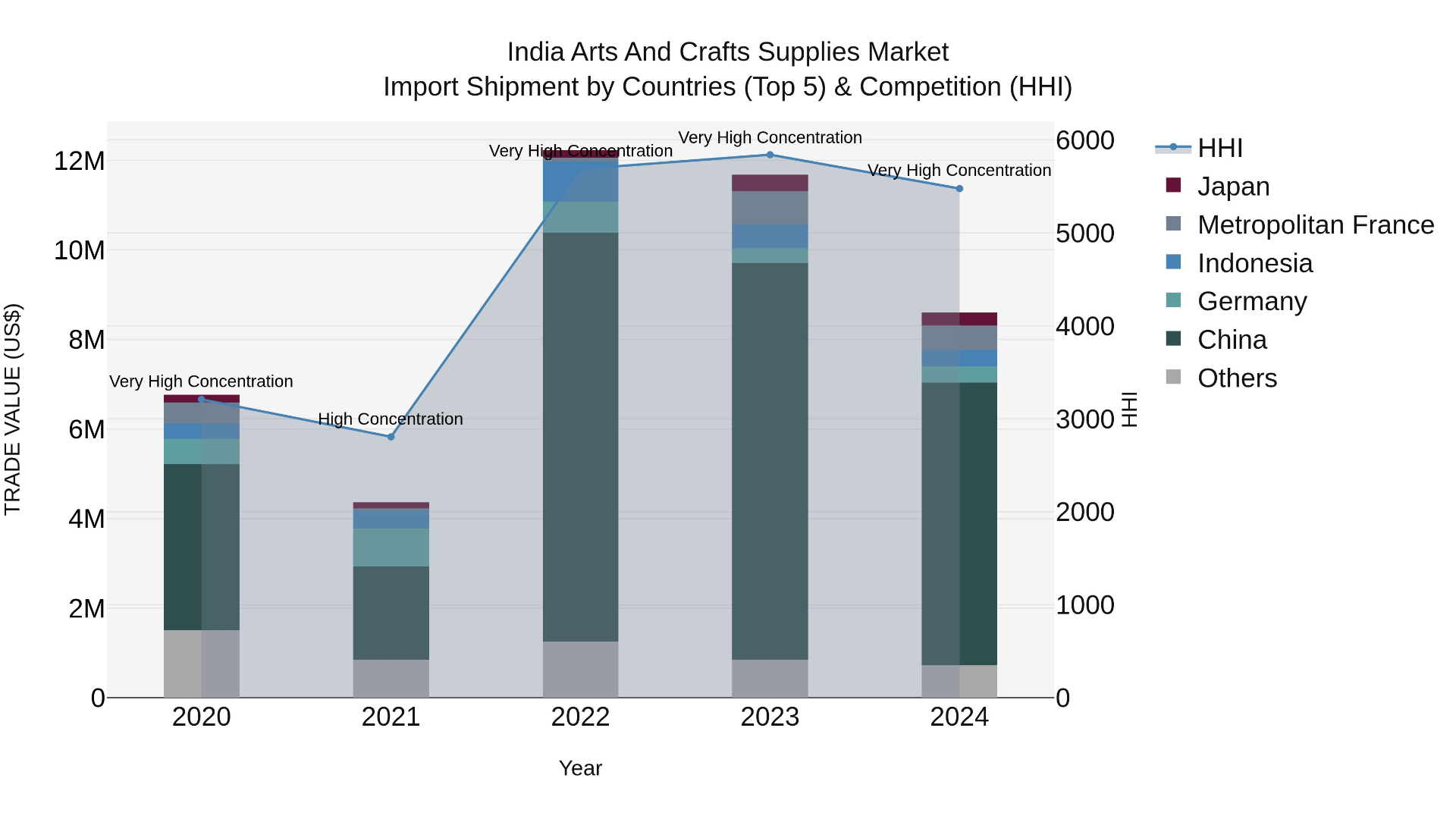
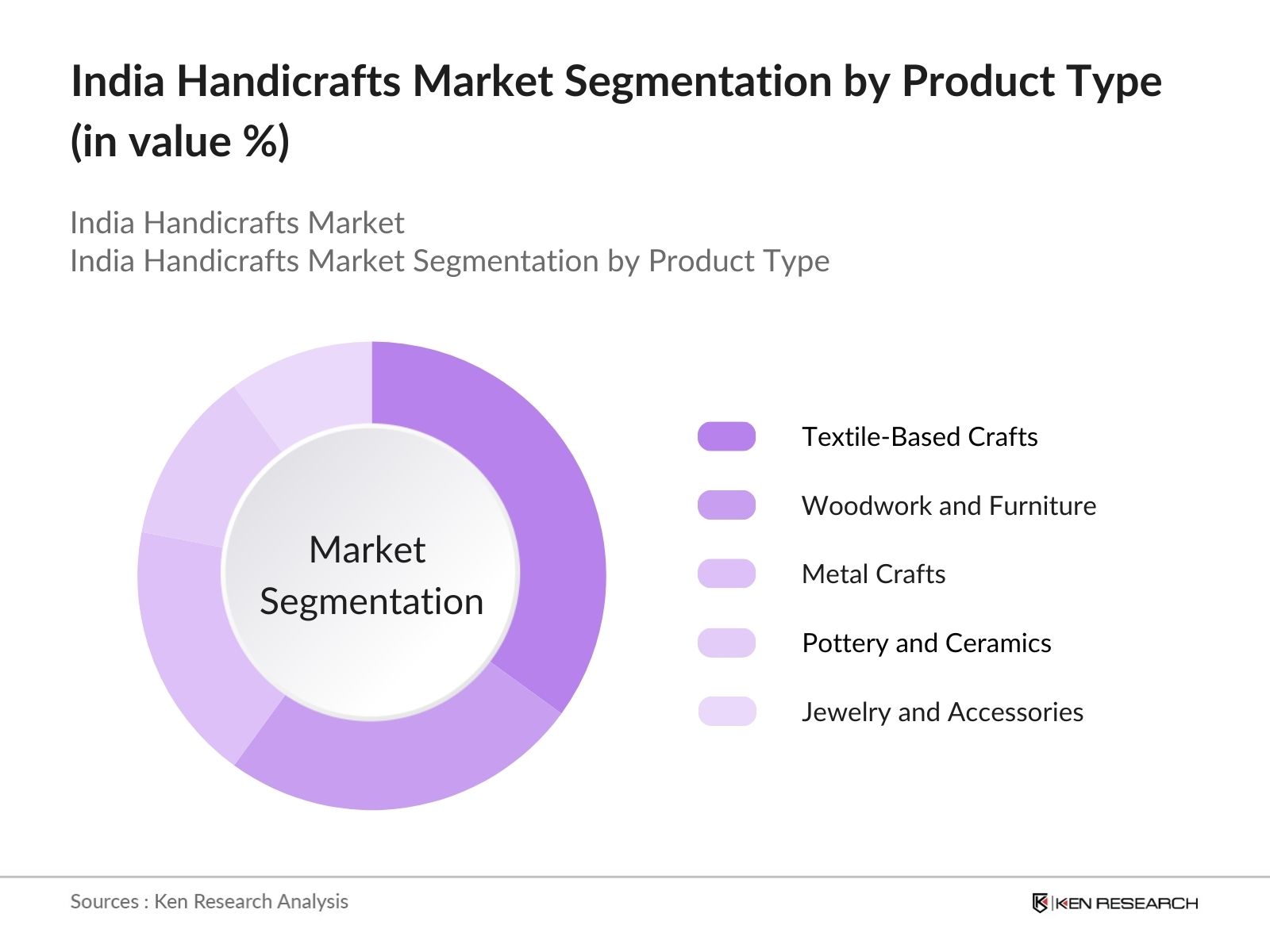
Infographic — dependence & scarcity
Statistics visualisation
0
Artisans across India (64.66 lakh)
0%
Depend on middlemen for income
0
Documented craft clusters
0%
Face raw material scarcity (78–91%)
The last three artisan families still practising the craftThe last three artisan families still practising the craftThe last three artisan families still practising the craft

In the village I documented, only three artisan families were still practising the craft. A generation later, there may be none.

03 · Field Research

Listening in workshops, not conference rooms.

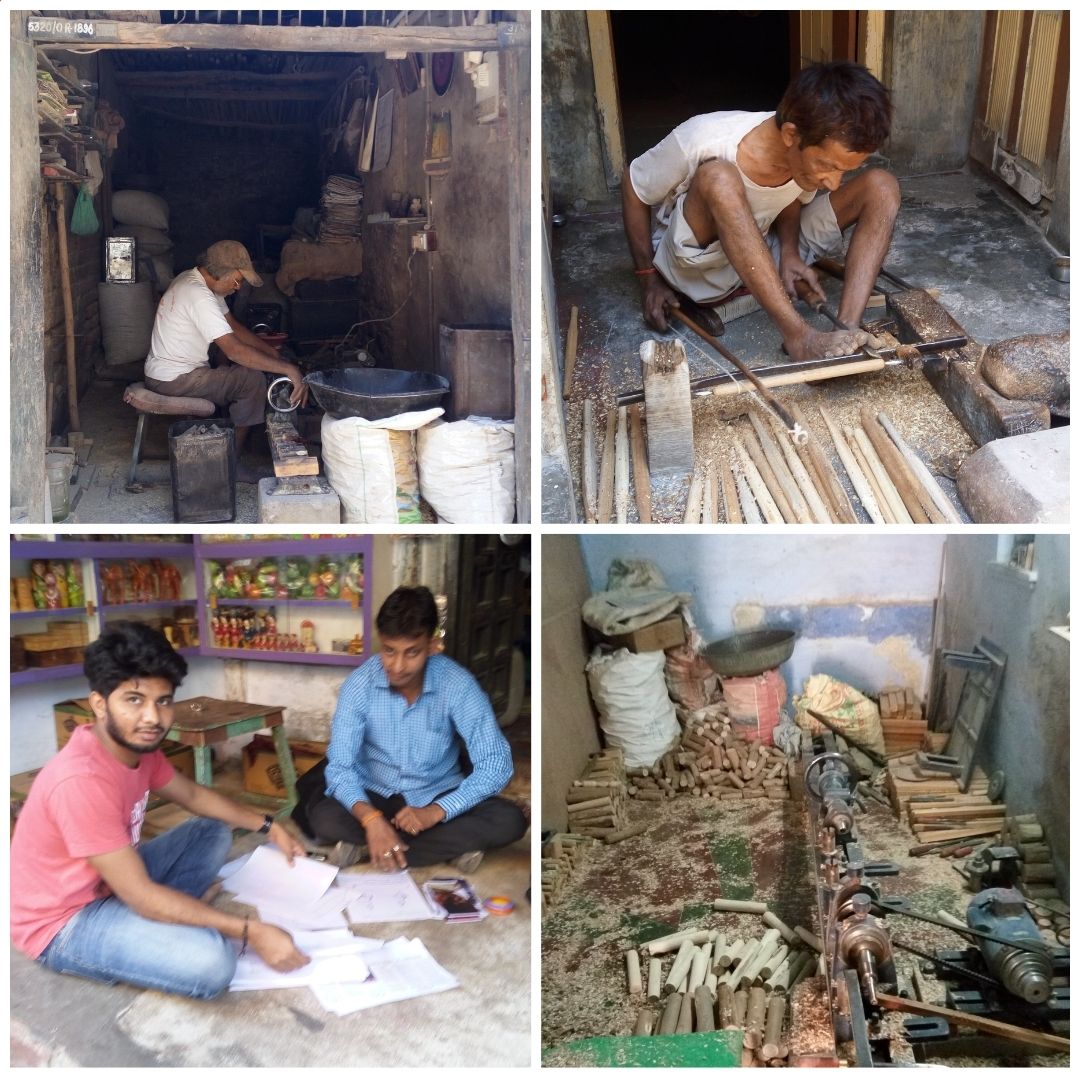
Ten weeks of contextual inquiry, interviews, observation, and shadowing across three craft clusters in Gujarat and Rajasthan.

Research photo grid
Contextual inquiry collage
04 · User Personas

Three lives, one ecosystem.

Ramesh, 58 — photo

Ramesh, 58

Master Artisan

Goals
  • Preserve and pass on traditional craftsmanship to the next generation.
  • Receive fair prices for handcrafted products.
  • Reach customers beyond local markets.
  • Get consistent orders throughout the year.
  • Build recognition for his work and craft.
Pain Points
  • Heavy dependence on middlemen, reducing earnings.
  • Seasonal and inconsistent demand for products.
  • Limited knowledge of digital platforms and online selling.
  • Difficulty showcasing the story and value behind handmade products.
  • Younger generations are losing interest in learning the craft.
Needs
  • A simple platform to showcase and sell products directly.
  • Fair pricing and transparent payments.
  • Easy access to training for digital tools and online business.
  • Reliable logistics and shipping support.
  • Opportunities to connect with designers, brands, and customers.
Behaviors
  • Prefers face-to-face communication and trusted relationships.
  • Creates products using traditional techniques passed down through generations.
  • Relies on local exhibitions, fairs, and word-of-mouth for sales.
  • Uses WhatsApp primarily for communication with customers and buyers.
  • Focuses more on craftsmanship than marketing or technology.
Quote
“Every piece I create carries my family’s legacy. I only wish more people could see its true value and appreciate the story behind it.”

Priya, 29 — photo

Priya, 29

Design Student

Goals
  • Learn traditional Indian craft techniques and integrate them into modern product design.
  • Collaborate directly with artisans to understand their processes and cultural knowledge.
  • Create sustainable, culturally relevant products that preserve traditional craftsmanship.
  • Explore indigenous materials and handmade techniques as alternatives to mass manufacturing.
  • Build a portfolio that reflects innovation rooted in Indian craft heritage.
Pain Points
  • Limited access to authentic artisans and craft clusters for hands-on learning.
  • Most craft knowledge is undocumented and difficult to find in one place.
  • Short workshops don’t provide enough depth to understand the complete making process.
  • Struggles to discover the right crafts, materials, and experts for academic projects.
  • Finds it difficult to bridge traditional craftsmanship with contemporary design requirements.
Needs
  • A platform to discover different Indian crafts, artisans, and regional techniques.
  • Step-by-step documentation of craft processes, tools, materials, and cultural stories.
  • Opportunities to visit workshops, apprentice with artisans, and collaborate on live projects.
  • Access to material libraries, case studies, and design inspiration rooted in Indian crafts.
  • A community where students, educators, and artisans can exchange ideas and co-create.
Behaviors
  • Regularly researches crafts for studio projects and thesis work.
  • Visits craft exhibitions, museums, and local artisan markets for inspiration.
  • Experiments with combining traditional techniques and modern technologies like CAD, CNC, and digital fabrication.
  • Documents observations through sketches, photographs, videos, and prototypes.
  • Values sustainability, authenticity, and human-centered design over mass production.
Quote
“Craft is more than a technique—it’s a living knowledge system. I want to learn directly from artisans and transform that heritage into meaningful designs for the future.”
Anand, 42 — photo

Anand, 42

Craft Enthusiast Buyer

Goals
  • Discover authentic handmade crafts from different regions of India.
  • Support local artisans by purchasing directly from them.
  • Learn the story, heritage, and making process behind every craft.
  • Build a meaningful collection of handcrafted products for home and gifting.
  • Preserve and promote India’s traditional craftsmanship through conscious buying.
Pain Points
  • Difficulty verifying whether products are genuinely handmade or machine-made.
  • Limited information about the artisan, materials, and cultural significance.
  • Finds it hard to discover unique crafts beyond popular marketplaces.
  • Inconsistent product quality and lack of authenticity certificates.
  • Limited opportunities to interact directly with artisans or visit craft workshops.
Needs
  • A trusted platform with verified artisans and authentic handmade products.
  • Detailed stories about the craft, artisan, region, and production process.
  • Transparency in pricing, materials, and impact of each purchase.
  • Personalized recommendations based on craft preferences and interests.
  • Opportunities to attend craft workshops, exhibitions, and artisan meetups.
Behaviors
  • Researches products before making a purchase.
  • Prefers buying directly from artisans, craft fairs, and ethical marketplaces.
  • Shares craft stories and purchases on social media to promote artisans.
  • Enjoys visiting museums, handicraft exhibitions, and cultural festivals.
  • Values quality, authenticity, sustainability, and cultural significance over low prices.
Quote
“I don’t just buy handmade products—I invest in the people, traditions, and stories that keep India’s craft heritage alive.”
05 · Ecosystem

A living network, not a marketplace.

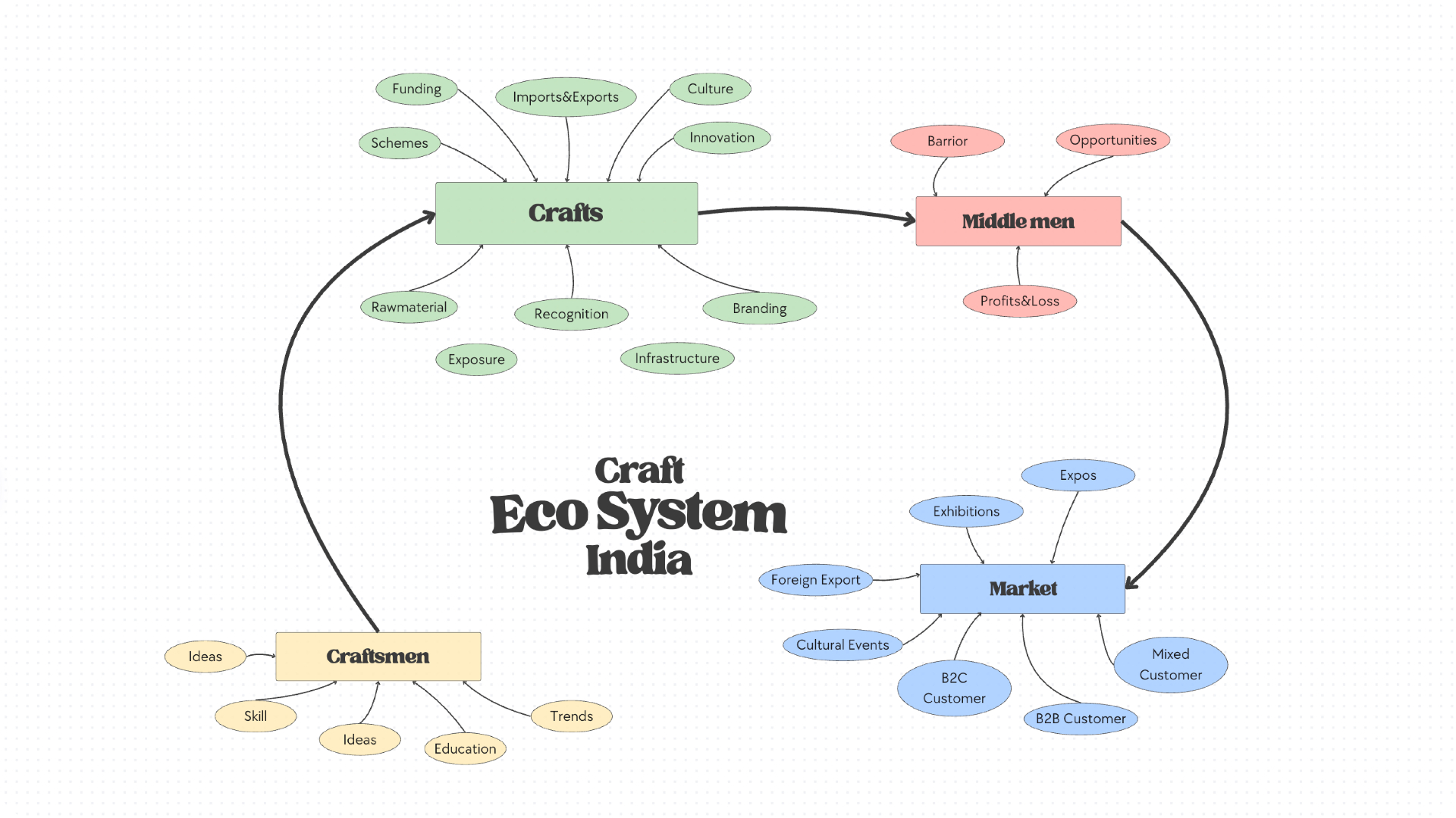
CraftWitty is a seven-actor ecosystem where value, knowledge, and stories flow both ways.

Large ecosystem diagram
  1. Node 01

    Artisan

  2. Node 02

    Vendor

  3. Node 03

    Business

  4. Node 04

    Student

  5. Node 05

    Institution

  6. Node 06

    Exhibitor

  7. Node 07

    Craft Enthusiast

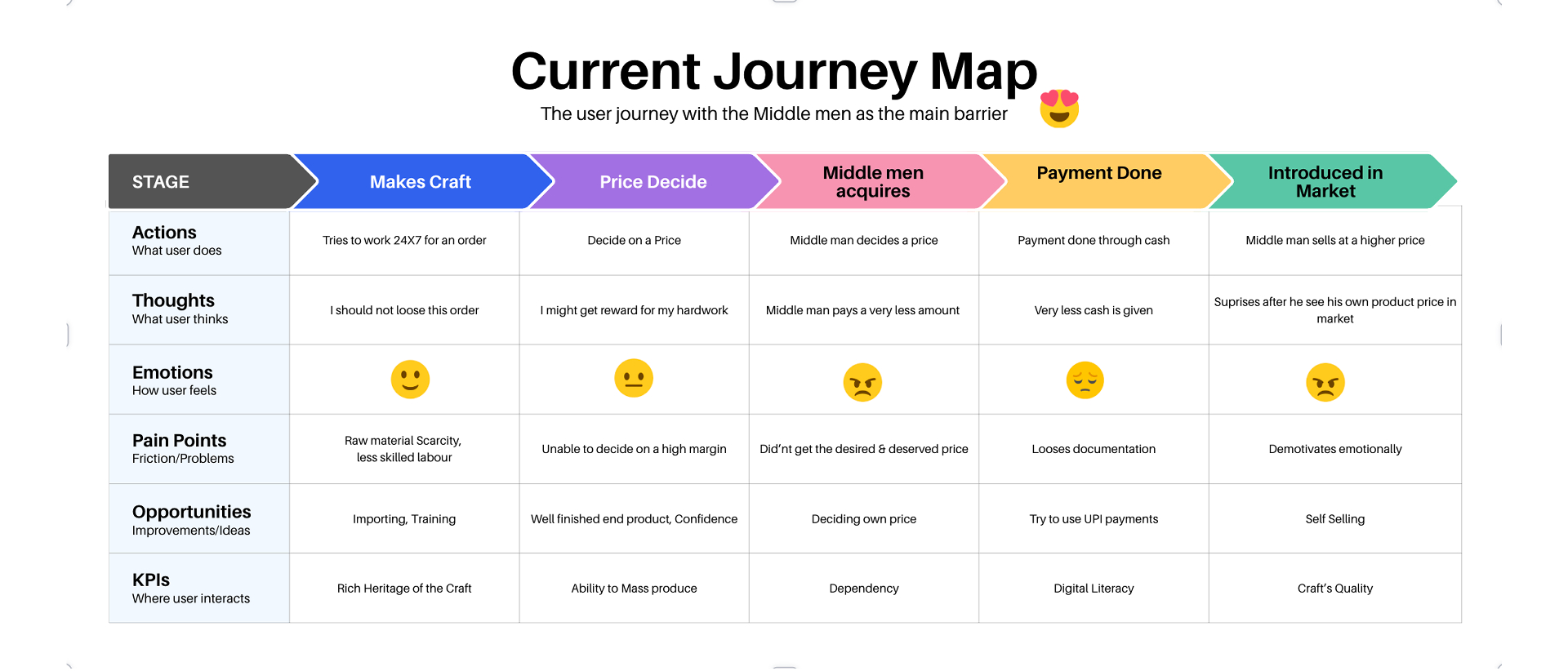
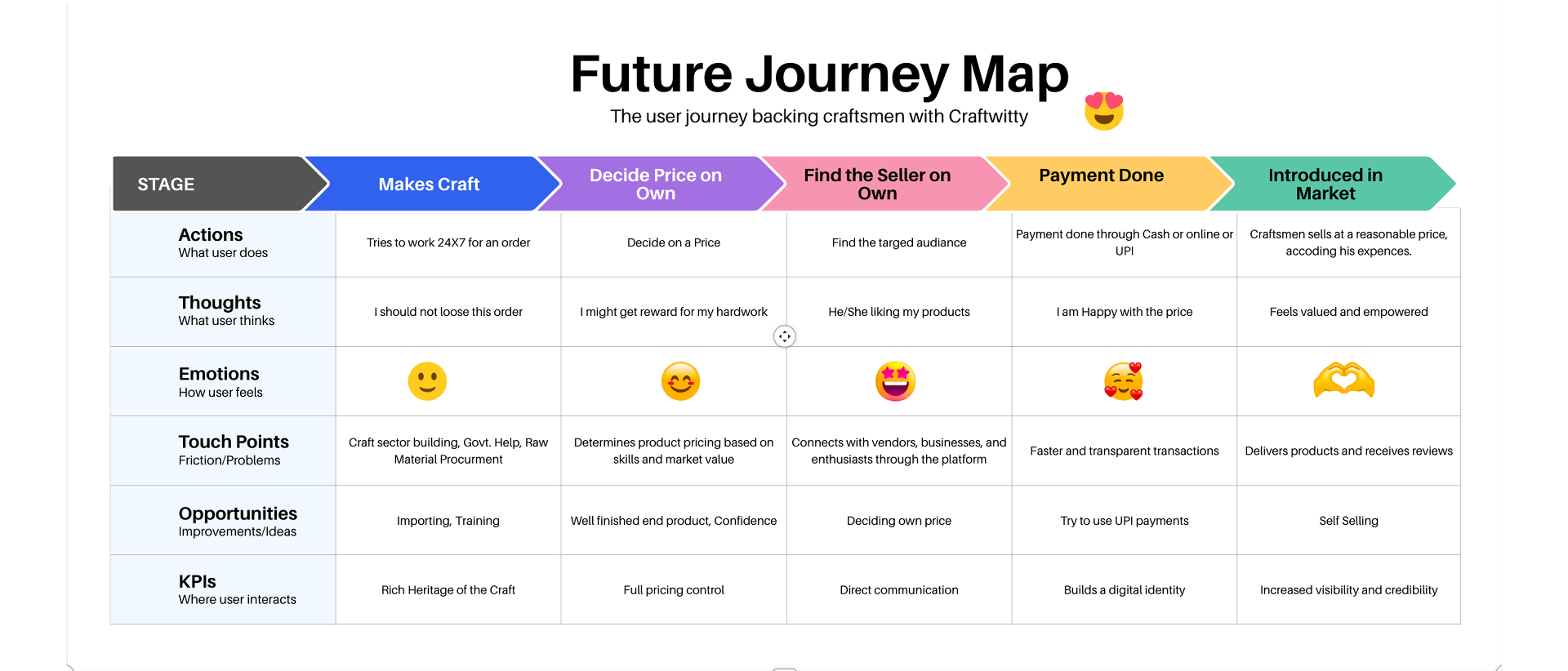
06 · User Journey

From invisible labour to visible livelihood.

Current Journey Map
Future Journey Map
07 · Service Blueprint

What happens behind the screen.

PlaceholderFrontstage — user-facing touchpoints
PlaceholderBackstage — internal operations
PlaceholderSupport Systems — infrastructure & partners
08 · Information Architecture

A structure that respects context.

PlaceholderInformation Architecture diagram
PlaceholderSite map
PlaceholderNavigation structure
09 · User Flows

Five flows for seven kinds of people.

Onboarding Flow

PlaceholderOnboarding Flow

Create Profile Flow

PlaceholderCreate Profile Flow

Marketplace Flow

PlaceholderMarketplace Flow

Workshop Flow

PlaceholderWorkshop Flow

Networking Flow

PlaceholderNetworking Flow
10 · Low-Fidelity Wireframes

Thinking with paper, then pixels.

PlaceholderSketches
PlaceholderPaper wireframes
PlaceholderWhiteboard photos
PlaceholderDigital wireframes
PlaceholderIteration timeline
11 · Design System

A system rooted in craft.

Color Palette

PlaceholderColor Palette

Typography

PlaceholderTypography

Spacing

PlaceholderSpacing

Iconography

PlaceholderIconography

Components

PlaceholderComponents

Buttons

PlaceholderButtons

Cards

PlaceholderCards

Forms

PlaceholderForms

Design Tokens

PlaceholderDesign Tokens

Accessibility Guidelines

PlaceholderAccessibility Guidelines
12 · High-Fidelity UI

The product, in full colour.

PlaceholderDesktop screens — showcase
PlaceholderTablet screens
PlaceholderMobile screens

Profile Screen

PlaceholderProfile screen

Marketplace Screen

PlaceholderMarketplace screen

Workshop Screen

PlaceholderWorkshop screen

Community Screen

PlaceholderCommunity screen

Messages Screen

PlaceholderMessages screen

Settings Screen

PlaceholderSettings screen
PlaceholderPrototype preview — embedded frame
13 · Interactions

Motion with meaning.

PlaceholderMicro-interaction GIFs
PlaceholderPrototype Videos
PlaceholderTransition Animations
PlaceholderHover States
PlaceholderLoading States
14 · Usability Testing

Iterating with the people who live it.

PlaceholderTesting photos
PlaceholderUsability notes
PlaceholderHeatmaps
PlaceholderTask success chart
PlaceholderObservation sheet
PlaceholderBefore / After comparison
15 · Impact

Numbers that meant something.

0
Artisans onboarded during pilot
0%
Increase in direct-to-buyer income
0
Workshops discovered by students
0
Craft clusters mapped digitally
PlaceholderCommunity growth graph
PlaceholderProjected impact chart
PlaceholderImpact dashboard
16 · Reflection

What this project taught me.

Lessons Learned

[Placeholder — Lessons Learned]

Replace with a short paragraph reflecting on lessons learned.

Challenges

[Placeholder — Challenges]

Replace with a short paragraph reflecting on challenges.

Future Improvements

[Placeholder — Future Improvements]

Replace with a short paragraph reflecting on future improvements.

Next Roadmap

[Placeholder — Next Roadmap]

Replace with a short paragraph reflecting on next roadmap.

PlaceholderEmotional photograph of an artisan smiling while working
The future of craft isn't built by preserving the past. It's built by connecting people.